


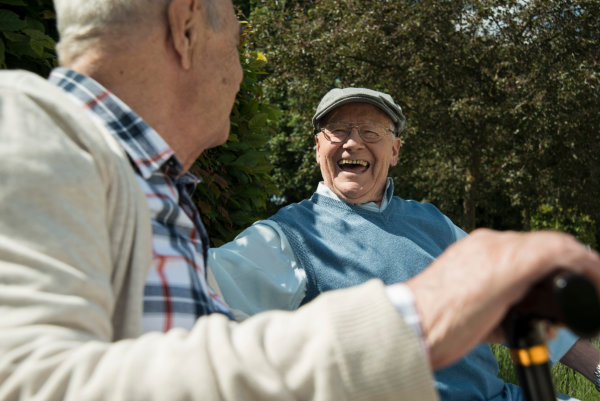
Every November, we take time to recognize the courage, dedication, and sacrifices of the men and women who have served in the United States Armed Forces. Veterans Day, observed annually on November 11, is an opportunity to express our gratitude to those who have defended our country and contributed to the freedoms we enjoy today.
But honoring our veterans should extend beyond a single day of recognition.
As veterans grow older, some may begin to need additional assistance with everyday activities, mobility, personal care, or maintaining a comfortable home environment. For families, finding the right balance between providing support and preserving a loved one’s independence can become an important part of caring for an aging veteran.
Home care can help bridge that gap by providing personalized assistance, meaningful companionship, and support that respects each veteran’s dignity, preferences, and individual needs.
At Vital Home Care Solutions, we believe every individual deserves compassionate care and the opportunity to live as comfortably and independently as possible. This Veterans Day, let’s explore how families can support aging veterans and why quality home care can make a meaningful difference.
Why Aging Veterans May Need Additional Support
Military service is an important part of a veteran’s life story, but every veteran’s experience is unique. As they age, some may experience changes in mobility, stamina, or the ability to manage everyday tasks independently.
Others may need temporary assistance after an illness, injury, surgery, or hospital stay. Some veterans may simply benefit from having another person available to help with household routines or provide regular companionship.
Families may notice that a loved one is having difficulty with activities that were once part of their normal routine, such as:
- Preparing meals and maintaining regular eating habits.
- Bathing, dressing, or completing personal care.
- Moving safely around the house.
- Managing household tasks and errands.
- Keeping up with appointments and daily schedules.
- Maintaining social connections and participating in favorite activities.
Recognizing these changes early allows families to explore appropriate support before everyday challenges become overwhelming.
Needing assistance does not mean a veteran has lost their independence. With the right support, many older adults can continue participating in decisions about their care and maintaining routines that are meaningful to them.
5 Ways Home Care Can Help Veterans Age with Dignity
1. Supporting Independence in the Comfort of Home
For many older adults, home represents more than a physical place. It holds memories, personal belongings, family traditions, and a sense of familiarity.
Remaining in familiar surroundings may help veterans maintain their routines and continue enjoying activities that matter to them.
Depending on the individual’s needs and the provider’s services, home care may offer assistance with daily activities, personal care, meal preparation, and other practical tasks.
For example, a caregiver may help a veteran prepare breakfast, get ready for the day, organize everyday activities, or move around the home more safely.
The goal is to provide assistance where it is needed while allowing the veteran to do as much as they comfortably can on their own.
Respecting independence means offering a helping hand without taking away a person’s ability to make choices.
2. Providing Companionship and Meaningful Human Connection
The need for companionship does not disappear with age. Meaningful social interaction remains an important part of a person’s overall well-being.
Some veterans may live alone, have family members who live far away, or find it more difficult to participate in community activities. Others may miss the social connections they previously enjoyed through work, military service, or community involvement.
Regular companionship can create opportunities for conversation, shared activities, and a greater sense of connection.
Simple activities may include:
- Talking about personal experiences and favorite memories.
- Playing cards, working on puzzles, or enjoying hobbies.
- Listening to music or watching a favorite program.
- Taking a walk when appropriate and safe.
- Connecting with family members and friends.
- Participating in community activities when accessible.
A thoughtful conversation or a familiar activity may seem small, but these moments can help someone feel seen, heard, and valued.
Caregivers should also respect each veteran’s personality and preferences. Some enjoy frequent conversation and social activities, while others prefer quiet companionship.
3. Helping Maintain Safe and Comfortable Daily Routines
Maintaining a familiar routine can make everyday life more manageable for older adults who need additional support.
Home care may help veterans establish practical routines around meals, personal care, household activities, and scheduled appointments, depending on the services arranged.
Families can also make the home environment more supportive by taking steps such as:
- Keeping walkways clear of clutter and electrical cords.
- Improving lighting in hallways and frequently used rooms.
- Installing appropriate grab bars and other recommended safety equipment.
- Keeping everyday essentials within easy reach.
- Ensuring mobility aids are accessible when needed.
- Following healthcare professionals’ guidance regarding medication and care routines.
For veterans with mobility limitations or other specific needs, an individualized home safety assessment can help identify potential hazards and appropriate improvements.
When skilled nursing or rehabilitation is required, families should coordinate with qualified healthcare professionals to determine the right level of care.
The objective is to create an environment where veterans can move through their daily routines with appropriate assistance, comfort, and confidence.
4. Giving Family Caregivers Additional Support
Caring for an aging veteran can be deeply meaningful, but it can also involve considerable time, energy, and responsibility.
Family caregivers may balance their loved one’s needs with employment, childcare, household responsibilities, and their own personal well-being. Over time, these competing demands can become difficult to manage without additional support.
Home care may help families share caregiving responsibilities and establish a more sustainable routine.
Depending on the services available, additional assistance may help with daily activities, personal care, or companionship while family members attend appointments, complete errands, or take time to rest.
Families should communicate openly about what they can reasonably provide and where additional assistance may be helpful.
It is also important for caregivers to recognize signs of exhaustion, persistent stress, or feeling overwhelmed. Seeking support is not a failure; it is a practical step toward maintaining the well-being of both the caregiver and the person receiving care.
The U.S. Department of Veterans Affairs offers caregiver support resources, including information, education, and assistance navigating available programs. Families can explore these resources through the VA Caregiver Support Program.
5. Honoring Each Veteran’s Personal Story and Choices
Every veteran has a unique story shaped by personal experiences, relationships, service, and life beyond the military.
Providing respectful care means recognizing the individual behind the role they once held or continue to hold in their community.
Some veterans enjoy sharing memories of their service, while others may prefer to focus on family, hobbies, or everyday life. Caregivers should never assume that every veteran wants to discuss military experiences or participate in Veterans Day activities.
Instead, ask what makes the person feel comfortable and respected.
Families can show appreciation by listening to their loved one’s stories when they wish to share them, preserving meaningful traditions, supporting personal interests, and including them in decisions about daily care.
Small gestures—remembering a favorite meal, respecting a preferred routine, or helping maintain a valued hobby—can communicate something important: their preferences still matter.
Aging with dignity means being treated as a whole person, with a lifetime of experiences, relationships, and choices that deserve respect.
Veterans Day: A Reminder to Care Beyond November 11
Veterans Day gives families and communities an opportunity to recognize those who have served. It can also serve as a reminder to check in on older veterans who may benefit from additional support.
Consider making time this November to:
- Visit an older veteran in your family or community.
- Ask whether they need help with everyday tasks.
- Listen to their concerns without making assumptions.
- Help arrange a safe and comfortable home environment.
- Explore appropriate care options if their needs have changed.
- Encourage meaningful connections with family, friends, and community organizations.
Not every veteran needs home care, and the right support will differ from one individual to another. What matters is making sure older veterans have the opportunity to discuss their needs and explore suitable options when assistance becomes necessary.
Our gratitude should not be limited to ceremonies, flags, or a single day on the calendar. It can also be expressed through the everyday choices we make to support the people who have served.
What Families Should Know About VA Home Care Benefits
Families exploring care for an aging veteran may have questions about whether the Department of Veterans Affairs can help cover certain services.
The VA offers several home and community-based care programs for eligible veterans. Depending on clinical need, availability, and program requirements, these may include Homemaker and Home Health Aide Care, Skilled Home Health Care, respite care, and other services. Eligibility and potential costs vary.
Families can take the following steps to learn more:
- Contact the veteran’s VA healthcare team. A VA social worker or care coordinator can help explain relevant programs and eligibility requirements.
- Discuss the veteran’s current needs. Identify the daily activities or healthcare tasks for which assistance may be necessary.
- Ask about available local services. Program availability, referral requirements, and approved providers may vary by location.
- Clarify coverage before arranging care. Do not assume that every private home care agency or service is covered by VA benefits.
You can find additional information through the official
VA Geriatrics and Extended Care resources.
Vital Home Care Solutions encourages families to verify eligibility and coverage directly with the appropriate VA representative before making financial or care decisions.
Frequently Asked Questions About Home Care for Veterans
What is home care for veterans?
Home care for veterans refers to assistance provided in a veteran’s home to help with everyday activities, personal care, companionship, or other needs, depending on the services offered. Skilled home health care is a distinct service that may involve nursing or therapy delivered by qualified healthcare professionals.
How can home care help an aging veteran remain independent?
Home care may help veterans continue living in familiar surroundings by providing assistance with selected daily activities, personal care, household routines, and companionship. The specific support should reflect the veteran’s needs, preferences, and care plan.
What are signs that an aging veteran may need help at home?
Possible signs include difficulty bathing or dressing, challenges preparing meals, increased trouble moving around safely, missed appointments, difficulty managing household tasks, or reduced social engagement. A healthcare professional can help assess changes in function and identify appropriate support.
Can veterans receive home care through the VA?
The VA offers home and community-based programs for eligible veterans, including certain aide services, skilled home health care, and respite care. Eligibility, clinical requirements, availability, and costs vary. Veterans and their families should contact their VA healthcare team for guidance.
How can families support veterans who live alone?
Families can arrange regular calls and visits, help with practical tasks, encourage social connections, assess home safety, and discuss whether additional assistance would be useful. The right approach should respect the veteran’s preferences and independence.
How can families find home care in Vienna, Virginia?
Families can research local providers, confirm which services they offer, ask about caregiver qualifications and screening, discuss scheduling and care plans, and clarify costs. If the veteran is interested in VA-funded services, families should also confirm whether the proposed provider and service meet the relevant program requirements.
Honoring Our Heroes Through Compassionate Care
Veterans have contributed to our communities in countless ways. As they grow older, they deserve the same respect, consideration, and opportunity to make their own choices as anyone else.
For some veterans, aging well may mean continuing to prepare their own meals, spending time with family, enjoying familiar hobbies, or receiving a little extra help with daily routines. For others, it may involve more specialized assistance coordinated with healthcare professionals.
Whatever their circumstances, the goal remains the same: to support their well-being while respecting their dignity and individuality.
At Vital Home Care Solutions, we believe that care should be guided by compassion, respect, and an understanding of each person’s needs. Families in Vienna, Virginia, and surrounding communities can explore available home care options to determine what kind of support may be appropriate for their loved ones.
This Veterans Day, let us honor our heroes not only with words of gratitude, but also through meaningful actions that recognize their dignity, independence, and ongoing contributions to our families and communities.
Because those who have served deserve to be treated with care, respect, and dignity—every day of the year.
Connect with Vital Home Care Solutions
Vital Home Care Solutions
Care with Heart. Support with Dignity.
Address: 8320 Old Courthouse Rd., Suite 500, Vienna, VA 22182
Phone: 703-552-5609
Email: care@vitalhomecaresolutions.com
Website: www.vitalhomecaresolutions.com
Contact the team to learn more about available services and discuss your family’s home care needs.
Disclaimer
Blogs, content and other media uploaded online are for informational purposes only. Contents on this website should not be considered medical advice. Readers are strongly encouraged to visit their physician for health-related issues.



Leave a Reply